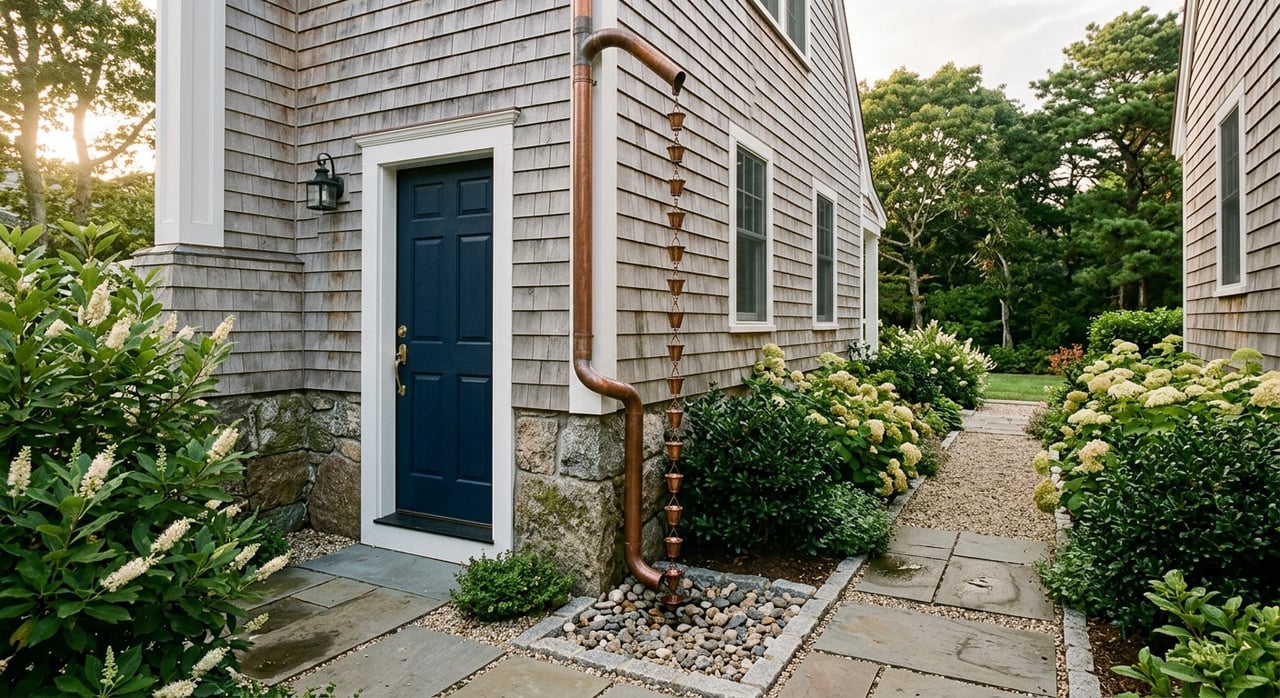
Pricing Coastal And Village Homes In Duxbury
May 7, 2026
May 7, 2026
Wondering why two homes in Duxbury with similar square footage can land at very different prices? In a town shaped by coastline, village streets, historic homes, and inland neighborhoods, pricing is rarely about a simple dollar-per-square-foot formula. If you are thinking about selling, understanding how buyers weigh location, condition, flood exposure, and character can help you protect your value and avoid a stale listing. Let’s dive in.
Duxbury is a primarily residential town on Cape Cod Bay, about 35 miles south of Boston, with a village atmosphere, beaches, recreation, and homes tied to its shipbuilding-era history. As the town grew, inland neighborhoods developed too, which helps explain why coastal, village, and inland homes often act like separate submarkets.
That distinction matters in today’s market. As of March 2026, Duxbury was described as a very competitive market, with a median sale price of $1.25 million and a median 24 days on market. Even in a strong market, buyers respond differently depending on exactly where a home sits and how well it fits that micro-location.
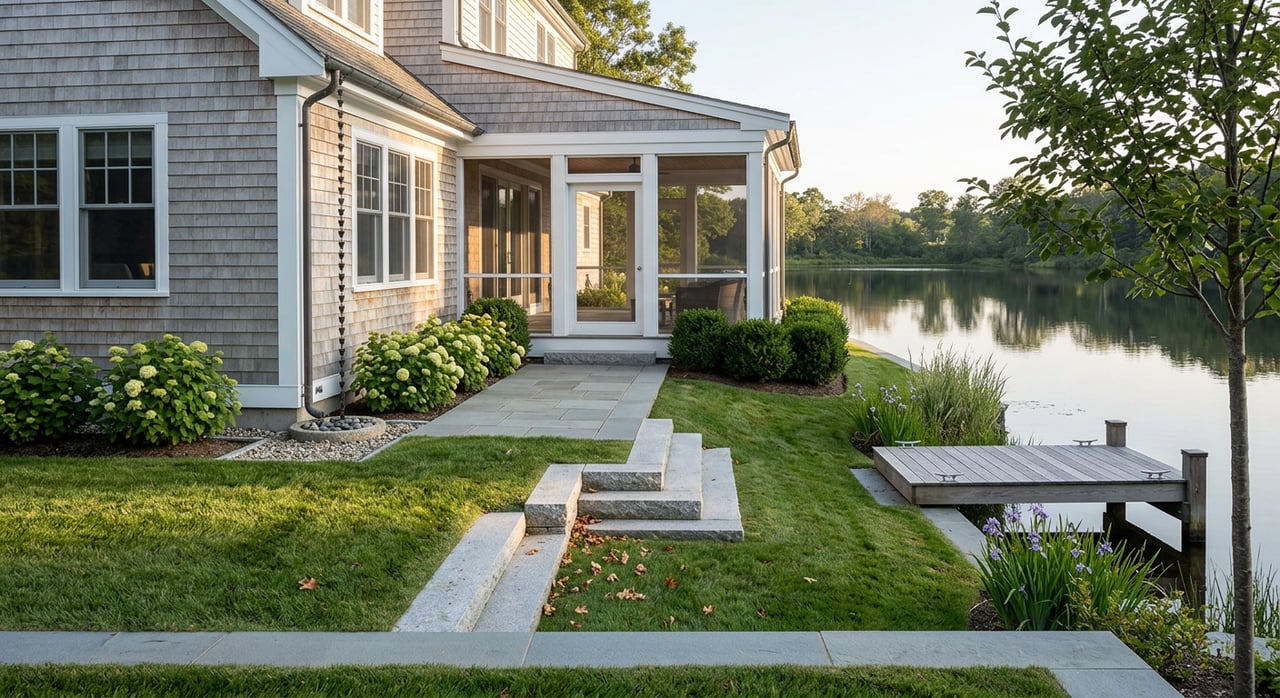
Coastal homes in Duxbury often compete on scarcity, water access, and view quality as much as on size or age. Recent Zillow research found that waterfront homes sold for 3% more than expected, dock homes for 5.4% more, and turnkey homes for 2.9% more, while fixer-uppers sold for 14% less.
That said, there is no universal waterfront premium. In Duxbury, value depends on the full shoreline experience, including direct frontage, dock rights, view corridors, elevation, and how recent nearby sales support those features. A strong view may justify a premium, but only if comparable sales show buyers were willing to pay for it.
Flood risk is a pricing factor in Duxbury, not just a box to check during disclosure. The town notes that its GIS flood-zone information may not be accurate and directs property owners to FEMA’s current flood maps, while Massachusetts identifies A, AE, AH, AO, V, and VE as special flood hazard areas.
Duxbury also maintains hurricane evacuation zones A, B, and C for areas that may be inundated or isolated by storm surge. That means buyers may look beyond the view and ask practical questions about elevation, flood exposure, insurance, and long-term carrying costs.
Massachusetts coastal guidance adds another layer. Coastal areas are considered highly vulnerable to sea level rise and storm surge, with projections of 0.6 to 1.1 feet of rise by 2030 and 2.3 to 4.2 feet by 2070 above 2000 levels. For sellers, that means a coastal premium is still possible, but buyers may price resilience and risk into the offer.
If you own a coastal home, pricing should reflect both lifestyle value and buyer caution. Two homes near the water can price very differently even when they look similar on paper.
Buyers often compare:
That is one reason broad town averages can be misleading for waterfront property. A bayfront home, a marsh-adjacent property, and a house a few streets inland may all appeal to different buyers and command different pricing strategies.
Village and center-of-town homes often trade on walkability, historic character, and proximity to everyday amenities. Research summarized by the University of Chicago found that walkability tends to increase home values most in areas that are already walkable. Realtor.com also reported that 78% of respondents would pay more for walkability.
In Duxbury, that helps explain why a walk-to-center home may price differently from a similar home farther from the village core. Buyers are not only buying the house. They are also weighing the convenience and feel of the surrounding area.
Historic character can be a major selling point in Duxbury. The town’s Local Historic District Commission works to preserve distinctive architecture and encourage compatible new construction, and the Historical Commission reviews demolition proposals for structures that are 75 years old or more.
For sellers, that means charm and authenticity can absolutely add appeal. It also means buyers may think carefully about renovation flexibility, timelines, and what changes may require review. In pricing, the right approach is balance. Historic character can help value, but any constraints should also be reflected in buyer expectations.
When a home is in or near Duxbury’s village core, buyers may place extra value on:
Still, not every older home commands a premium on charm alone. Condition, layout, and updates matter, especially when buyers compare a historic home with a more turnkey option nearby.
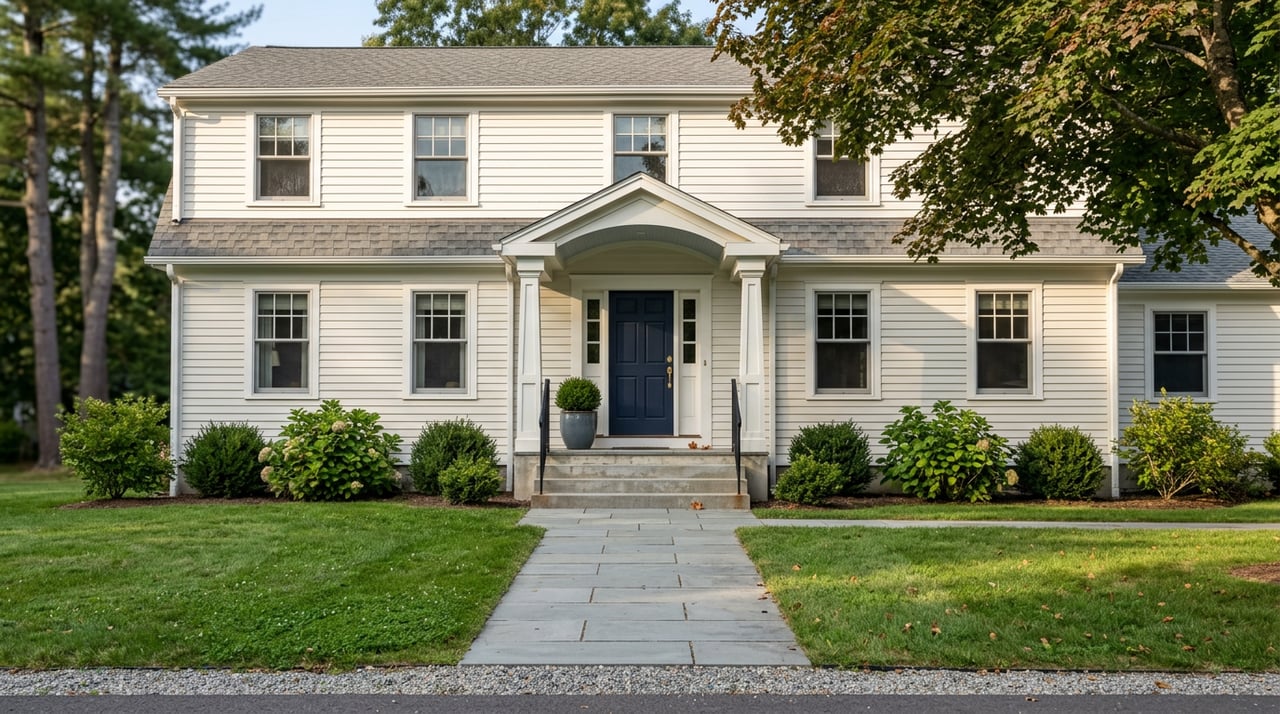
Inland homes should not be viewed as lesser listings. They simply compete on a different set of strengths. In many inland areas, buyers focus more on lot utility, privacy, layout, condition, and usable living space than on water access or village walkability.
That is why inland pricing usually works best when supported by similarly situated inland sales. Appraisal guidance says the best comparable sales are those most similar in location, size, condition, and the features buyers care about most.
For many inland homes, pricing tends to rest on practical livability. Buyers may respond most strongly to:
A newer inland colonial should not be priced from a coastal comp set just because both homes are in Duxbury. The buyer pool and value drivers are often different.
The clearest pricing framework comes from appraisal practice. You compare the subject home to recent sales of similar properties in the area, giving the most weight to homes that are nearest and most alike.
Appraisers are trained to compare condition, construction, features, locale, and current market activity. In Duxbury, that means coastal, village, and inland homes each deserve their own comp set whenever possible.
For Duxbury sellers, a smart pricing approach usually follows this order:
This keeps pricing grounded in evidence instead of wishful thinking. It also helps you defend the list price when buyers, appraisers, and agents start comparing your home to others on the market.
A single townwide average can be too blunt for Duxbury. It may miss the premium of a bayfront setting, overstate the value of a home with flood concerns, or underprice a village property with strong walkability and character.
In a market where the median sale price was $1.25 million and median days on market were 24 in March 2026, overpricing can cost valuable time. The strongest buyers tend to act early, and a listing that starts too high may lose momentum and negotiating leverage.
One of the biggest mistakes is using inland comps for a coastal home or coastal comps for a village property. Even if the size is similar, the buyer motivation may be completely different.
It is easy to anchor to what a view feels like or what a renovation cost. Buyers, however, tend to compare your home against recent evidence. If the sold comps do not support the number, the market may push back quickly.
Turnkey condition can support value. Fixer-upper condition can drag pricing down. Zillow’s research showing a 14% discount for fixer-uppers compared with expectations is a useful reminder that deferred maintenance or unfinished projects can narrow your buyer pool.
Historic review considerations and flood exposure do not necessarily kill demand. They do, however, affect how some buyers underwrite risk, future costs, and renovation plans. Smart pricing reflects those realities upfront.
A strong price is easier to defend when the home shows well and the story is clear. For coastal, village, and higher-value Duxbury properties, presentation matters because buyers often make fast judgments about condition, lifestyle fit, and future upkeep.
That is where a project-managed pre-market plan can make a real difference. Thoughtful improvements, staging, photography, video, and clear positioning can help buyers understand why your home belongs in a specific value tier.
If you are unsure how your home should be positioned within Duxbury’s coastal, village, or inland market, working with a local, hands-on advisor can help you sort through the details with confidence. To talk through pricing, preparation, and what today’s buyers may respond to, schedule a complimentary Koncierge consultation with Kristin Dewey.
Stay up to date on the latest trends in real estate.
May 7, 2026
April 23, 2026
April 16, 2026
April 2, 2026
March 24, 2026
March 5, 2026
February 19, 2026
February 5, 2026

January 15, 2026
Let us learn more about how I can help. My goal is to be your Real Estate Consultant for Life!