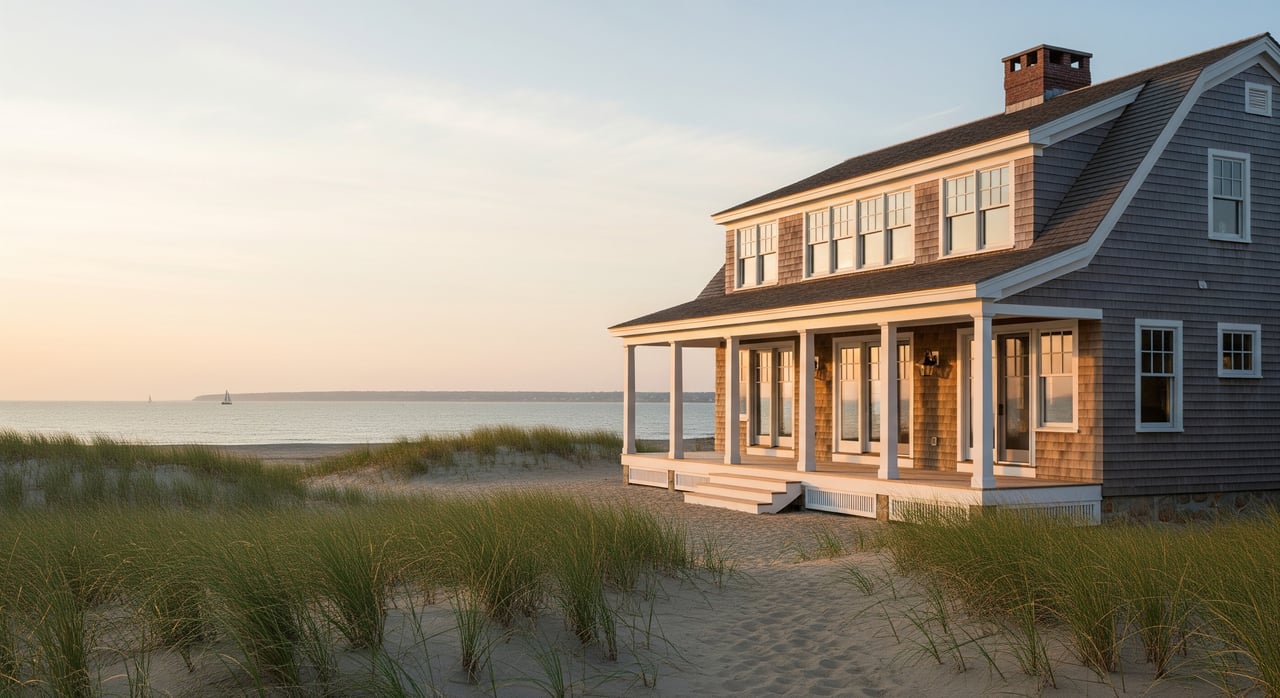
Torn between the low-maintenance appeal of a condo and the freedom of a single-family home in Duxbury? You are not alone. The South Shore’s coastal setting, Boston and Plymouth influences, and HOA factors can make this decision feel complex. In this guide, you will learn how costs, risks, financing, and lifestyle tradeoffs compare so you can move forward with clarity. Let’s dive in.
Why your Duxbury choice feels tricky
Duxbury has a larger share of single-family homes and a smaller pool of condos, while nearby towns like Plymouth and Kingston offer added options. Demand often rises in spring and summer, especially near the water, which can shape availability and pricing for both property types. The coastal setting adds layers like flood zones, insurance, and permitting that are easy to overlook at first. Your best fit depends on how you balance maintenance tolerance, budget predictability, space needs, and comfort with HOA rules.
Total cost of ownership checklist
A smart comparison looks beyond list price. Map out every recurring cost and a reserve for future repairs so you can compare apples to apples.
What condo dues often include
Condo associations typically roll many exterior and common-area expenses into monthly dues. Ask for the full list and verify coverage.
- Exterior maintenance, roofing, siding, and common-area repairs
- Landscaping, snow removal, and trash service
- Master insurance policy for the building and common areas
- Utilities that may be shared in some communities
- Amenities such as a pool, fitness room, docks, or security if offered
- Professional management fees and reserve fund contributions
What to double-check: reserve study and balance, recent and planned capital projects, special assessment history, insurance scope, rental policies, pet rules, parking, and storage.
Single-family costs to plan for
With a single-family home, you control more decisions and you take on more responsibilities. Build a line item for each.
- Exterior systems: roof, siding, windows, decks, and painting
- Mechanical systems: HVAC, electrical capacity, and plumbing
- Grounds: landscaping, tree work, irrigation, driveway, and snow removal
- Septic or well if present, including inspections and eventual replacement
- Homeowner’s insurance and, if required, flood insurance
- Larger coastal items for near-water properties such as bulkhead or seawall upkeep
Build a 12-month TCO worksheet
Create a side-by-side view for your favorite listings. Include monthly and annual totals.
- Mortgage principal and interest
- Property taxes
- Homeowner’s insurance and flood insurance if applicable
- HOA dues for condos
- Utilities: electricity, gas or propane, water, sewer, trash, internet
- Routine maintenance and yard care
- Larger periodic items annualized, such as roof or siding replacement
- HOA special assessments annualized for condos
- Miscellaneous and a contingency reserve
Pro tip: Ask your agent to help you annualize cyclical costs like roof replacement or septic work so you see the true monthly picture.
Financing differences to expect
Condo loans often require project approval by the lender. Lenders will look at the association’s financials, reserve funding, owner-occupancy ratios, and any litigation. This can affect loan options and timelines.
Insurance is structured differently too. Condo owners typically carry an HO-6 policy that covers the unit interior and personal property, while the HOA’s master policy covers the building and common areas. Single-family buyers carry an HO-3 policy that covers the entire home. Confirm what the HOA master policy includes so you are not surprised by an uncovered interior item.
Many condo associations limit short-term rentals or set rules for leasing. Rental limits can impact your financing options and future flexibility if you plan to rent the property.
Coastal risks and permits to check
Duxbury’s shoreline location brings added due diligence. Confirm flood zone status for the specific parcel. If the property is in a Special Flood Hazard Area, your lender may require flood insurance. Request an elevation certificate if available to understand risk and potential premiums.
If you plan to renovate or build near the water, check local and state permitting requirements. Properties near wetlands or tidelands may face buffer restrictions and special approvals. Review the condition of any seawalls or bulkheads, ask about erosion history, and consider local resilience planning for long-term risk.
Lifestyle and resale tradeoffs
Condos give you a lower-maintenance lifestyle and, in some cases, amenities. That can be ideal if you travel, plan to use the property seasonally, or simply want predictable monthly costs. You will trade off some control over renovations and will need to follow HOA rules.
Single-family homes offer more space, privacy, and freedom to customize within local permitting. You will budget for all exterior care and capital items over time. In coastal towns, waterfront or near-water homes can draw distinct buyer pools at resale, while condos often appeal to downsizers, first-time buyers, and second-home seekers.
Commute and access matter too. If you split time with Boston, look at proximity to major routes and commuter rail options in the region. Seasonal traffic near beaches can affect drive times in summer, so test the route you will use most.
A simple scoring framework
When two homes feel close, score each across your priorities on a 1 to 5 scale, then add a weight for what matters most to you.
How to score your priorities
- Maintenance tolerance: condo tends to score higher if you want low upkeep
- Space and storage needs: single-family often wins if you want a yard or garage
- Budget predictability: condo dues offer clarity, while SFH costs vary by year
- Coastal proximity: both can work, but verify flood and insurance differences
- Renovation flexibility: single-family offers more control subject to permits
- Commute and access: score based on your actual daily route
Real-world scenarios
- First-time buyer seeking low maintenance: A condo near services and commuter access can be a strong fit.
- What to verify: HOA financial health, dues coverage, rental rules, insurance structure, and project approval for your lender.
- Move-up buyer needing yard and bedrooms: A single-family home in a residential neighborhood offers space and autonomy.
- What to verify: roof and system ages, septic status if applicable, lot drainage, tree health, and insurance.
- Downsizer wanting simplicity and amenities: A condo with on-site maintenance and accessible parking may reduce errands and projects.
- What to verify: elevator and building systems age, reserve study, parking and storage policies, and any pending capital work.
- Second-home buyer focused on easy ownership: A condo with professional management can be simpler when you are away.
- What to verify: short-term rental policy, insurance coverage gaps, seasonal demand considerations, and special assessment history.
Due-diligence checklist for buyers
Use this to keep your process organized.
For any property
- Home inspection, seller disclosures, deed review, and recent tax bills
- Confirm flood zone status and available elevation certificate
- Verify utilities and service types
- Confirm school district boundaries using official sources
For condos
- Master Deed, Bylaws, Declaration, and Rules and Regulations
- Current budget, financials, and latest reserve study
- Meeting minutes from the past 12 to 24 months
- Insurance certificates and scope of master policy
- History of special assessments and any planned projects
- Rental, pet, parking, storage, and renovation policies
- Percentage of owner-occupied units and management contract details
For single-family homes
- Roof, siding, windows, foundation, electrical, plumbing, HVAC
- Septic inspection or Title 5 if applicable, and well water test if applicable
- Driveway, drainage, tree health, and property boundary survey
- Historic or conservation restrictions that may affect changes
For coastal properties
- Flood insurance requirements and estimated premiums
- Seawall or bulkhead condition and erosion or storm history
- Local conservation rules and permitting pathways for shoreline work
- Municipal resilience plans and long-term risk considerations
How Kornerstone guides your decision
You should not have to guess about total cost, risk, or resale. As a boutique, owner-led South Shore brokerage, Kornerstone combines deep local knowledge with hands-on guidance, so you can compare a Duxbury condo and a single-family home with confidence.
Here is how we help you decide:
- Build a custom 12-month TCO comparison for your short list, including insurance, HOA dues, and maintenance reserves
- Pressure-test HOA financials and rules, and coordinate answers from managers and lenders
- Coordinate inspections and coastal due diligence for seawalls, flood status, and permitting
- For sellers and soon-to-be sellers, our Kornerstone Koncierge program plans and manages pre-market improvements that are financed until closing so you can list with confidence
Ready to clarify your next move on the South Shore? Connect with Kristin Dewey to compare options and make a smart, stress-reduced decision.
FAQs
What is the biggest cost difference between Duxbury condos and single-family homes?
- Condos bundle exterior upkeep and common-area costs into dues, while single-family owners budget individually for roof, yard, systems, and coastal items like bulkheads.
How do HOA rules affect financing for a condo in Duxbury?
- Lenders review project health, reserves, owner-occupancy, and litigation, which can influence approval, rates, and timelines for your loan.
Do I need flood insurance for a Duxbury home near the water?
- If the property sits in a high-risk flood zone, lenders often require a policy; ask for the flood zone and elevation certificate to estimate premiums.
What should I look for in condo financials before buying?
- Review the reserve study and balance, budget, recent meeting minutes, insurance certificates, and any history of special assessments or pending projects.
How do maintenance responsibilities differ for single-family homes?
- You handle all exterior and grounds work, plan for system replacements over time, and manage items like septic, tree work, and snow removal.
What lifestyle tradeoffs matter most for Duxbury buyers?
- Condos deliver low maintenance and possible amenities, while single-family homes offer more space, privacy, and renovation flexibility subject to local permits.