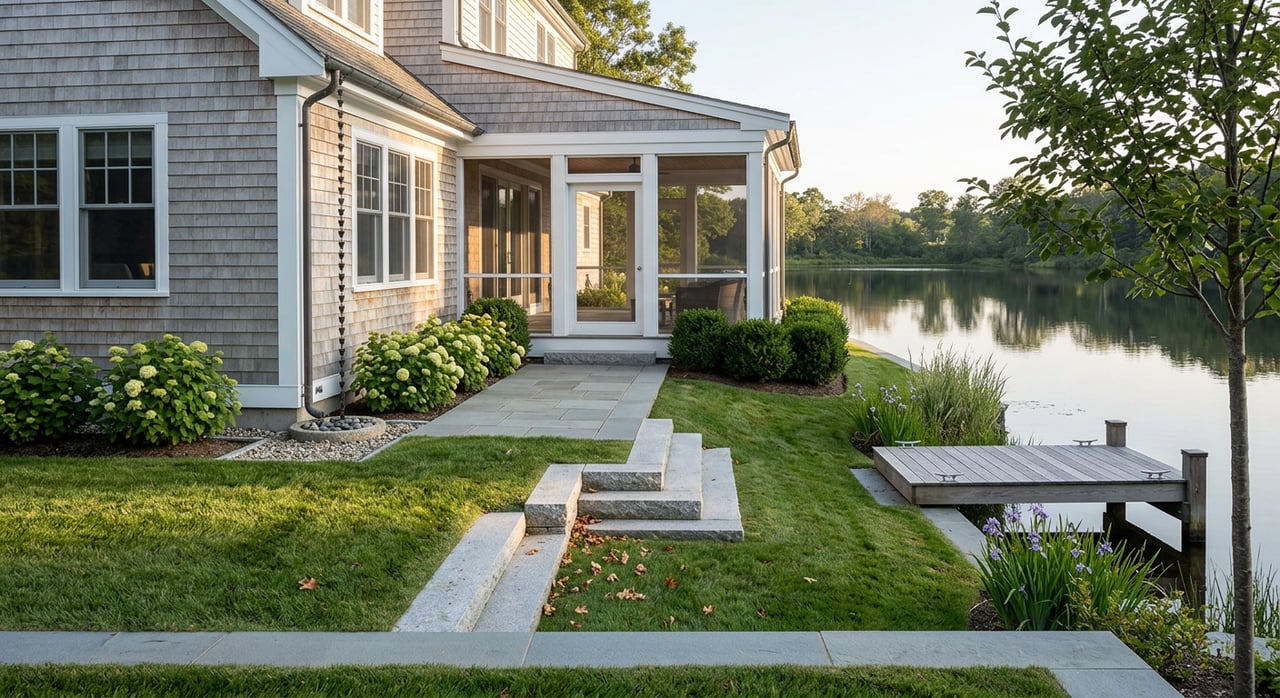
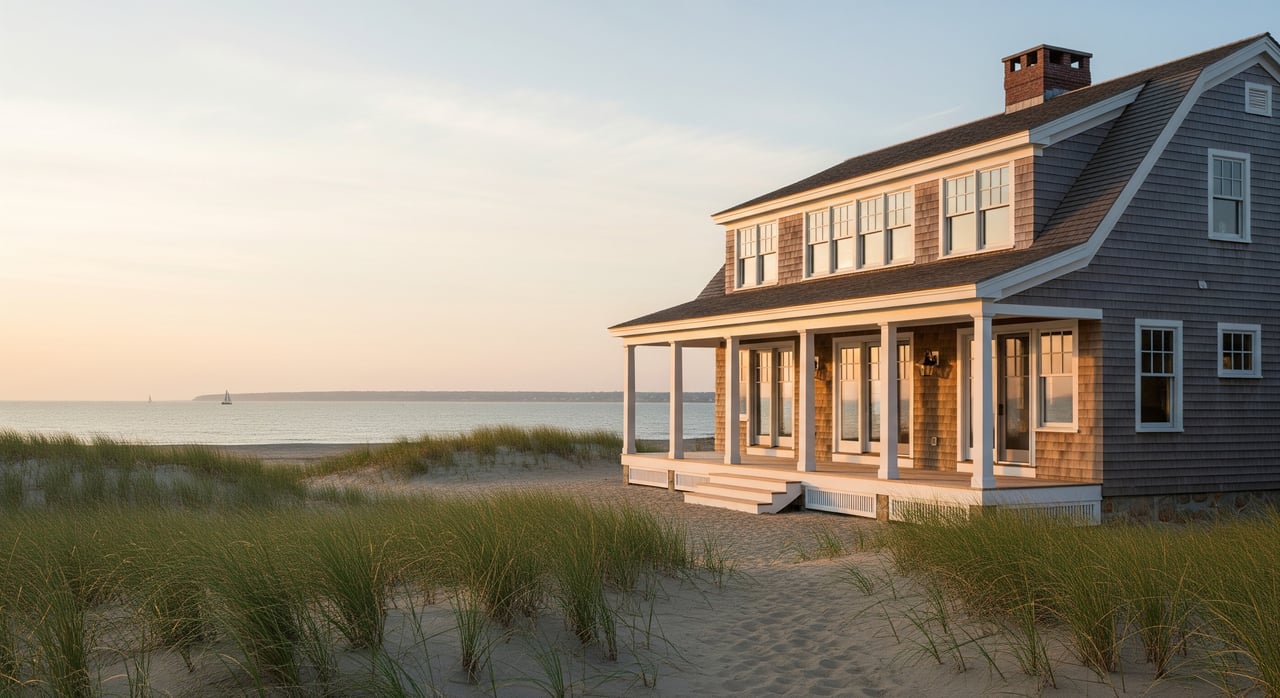
Picture your morning coffee with ripples on the water, a kayak ready at the shore, and loons calling at dusk. If you are drawn to Pembroke’s ponds and rivers, you are not alone. Buying near Oldham Pond, Furnace Pond, Silver Lake, or along the Indian Head and North Rivers gives you a front-row seat to a beloved South Shore lifestyle. This guide shows you how to find the right fit, understand local rules, and protect your investment. Let’s dive in.
Know the water: Oldham, Furnace, Silver Lake, rivers
Pembroke sits among several “great ponds,” a Massachusetts term for natural waterbodies over 10 acres that are held in public trust. The town lists Oldham, Furnace, and Silver Lake as great ponds open to public use, with designated beaches and Town Landing access points you can review on the town site. Check the town’s list of Pembroke ponds open to the public to understand access and use.
Oldham Pond
Oldham Pond is one of Pembroke’s signature great ponds, shared with Hanson. It features a town beach and a public boat launch at Town Landing on Wampatuck Street. Most shoreline is privately owned, so land access is by deeded rights or association membership. The town’s Open Space & Recreation Plan provides context on pond size, uses, and management.
Furnace Pond
Furnace Pond sits downstream of Oldham and is known for abundant aquatic vegetation and a shallower, fertile basin. It often supports neighborhood association beaches and local stewardship. Because Furnace is linked hydraulically to Oldham, seasonal water levels can reflect upstream and downstream controls. The Open Space & Recreation Plan also covers Furnace’s history and conditions.
Silver Lake
Silver Lake is much larger and serves as the primary public drinking water supply for the City of Brockton. Management of lake levels, including diversions, prioritizes water supply, which means recreational uses are more limited compared to Oldham or Furnace. If you are buying near Silver Lake, expect different rules and a focus on water-quality protection. Get a feel for the resource with the Silver Lake Sanctuary overview.
Indian Head River and North River
The Indian Head River feeds the North River, a state-protected Scenic and Recreational River. These corridors carry added ecological protections and permitting scrutiny for riverside work. The Open Space & Recreation Plan outlines these river resources and the regional coordination around them.
Water view vs. water access
A water view is not the same as the legal right to use the water or install a dock. Great ponds are open to public use on the water surface itself, but shoreline land is typically private. That means your ability to reach the water depends on deeded access, association membership, or a public access point. Before you make an offer, confirm whether the property includes direct access, shared rights, or is view-only. The town’s public ponds list helps clarify where public use is allowed, but your deed and any association documents govern your on-land rights.
Rules that shape waterfront living
Waterfront ownership comes with extra rules that protect public trust resources and sensitive habitats. Planning ahead helps you avoid surprises.
Chapter 91 and docks
In Massachusetts, structures in, on, over, or under great ponds often require review under Chapter 91 through the MassDEP Waterways Program. Even small residential docks can trigger licensing and must be recorded at the Registry of Deeds. Expect to engage both MassDEP and the local Conservation Commission for dock or shoreline structure changes. Read the state’s Waterways permitting primer to understand when Chapter 91 applies.
Wetlands and riverfront buffers
The Wetlands Protection Act and Rivers Protection Act regulate work within resource areas and their buffers. Pembroke properties near ponds, streams, and rivers are commonly within a 100-foot buffer or riverfront area. Many towns also operate a 25-foot no-disturb zone within that buffer. Landscaping, hardscaping, tree work, and any shoreline stabilization often require filing with the Conservation Commission. Learn the basics via the MACC summary on buffer zones and riverfront areas.
Septic setbacks under Title 5
Septic systems near surface waters must meet minimum separation distances. Title 5 generally requires at least 50 feet from surface waters to a soil absorption system, with larger setbacks around public surface-water supplies. This can influence where you can place a replacement leach field or whether expansion is feasible on a tight lot. Review the state’s Title 5 requirements in 310 CMR 15.
Flood risk, dams, and insurance costs
Flood exposure varies by shoreline, elevation, and nearby structures like dams. Understanding risk early can save you money and stress.
- FEMA flood zones. If a structure is in a Special Flood Hazard Area, most lenders will require flood insurance. Use FEMA’s tools to check panels and request an Elevation Certificate if available. Start with the FEMA Flood Map Service.
- Local hazard history. Pembroke’s Municipal Vulnerability & Hazard Mitigation Plan documents past flooding, vulnerable roads, and recommended mitigation. It is a smart reference as you assess neighborhoods near ponds and rivers. See the town’s adopted MVHMP.
- Dams and level control. Oldham and Furnace are hydraulically linked, and several local waterbodies have dams or diversions that affect water levels. The Open Space & Recreation Plan is a good starting point, but you can also ask the town about dam operations or planned repairs that may influence seasonal levels.
Tip: Insurance premiums vary widely by zone, elevation, and prior claims. Get quotes early to help you compare homes on true monthly cost.
Water quality, HABs, and shoreline maintenance
Waterfront homes need a little more hands-on care. Expect to plan for:
- Algae and bacteria advisories. The Pembroke Board of Health publishes seasonal E. coli sampling and harmful algal bloom (HAB) guidance for local ponds. Review recent results and advisories on the Board of Health testing page.
- Invasive plants and vegetation control. Furnace Pond, for example, has abundant aquatic vegetation. Cutting, raking, or benthic barriers can require Conservation Commission review, so check before you act.
- Shoreline stabilization. Seawalls, riprap, and slope plantings may need maintenance after storms. Permits are often required for repair or replacement.
- Dock upkeep. Floating systems may need seasonal removal and inspection. Fixed structures require close attention to permitting and condition.
Local associations sometimes manage beaches, invasive plant treatments, or shared docks. The Pembroke Watershed Association provides general context and can help you frame the right questions for neighborhoods you are considering.
Buying strategy by waterbody
Every Pembroke waterbody has a slightly different profile. Use these quick notes to match your goals to the right setting.
- Oldham Pond. Great for small-boat recreation with a public Town Landing. Shoreline is mostly private, so confirm deeded access or association membership if that is important to you. Dock permitting will involve Chapter 91 and the Conservation Commission.
- Furnace Pond. Similar recreational appeal, with more aquatic vegetation. Ask about neighborhood beach rules, plant management plans, and recent water-quality advisories.
- Silver Lake. Prioritizes public drinking water supply for Brockton. Expect limited or restricted recreational uses and larger protection buffers for septic and shoreline work.
- Indian Head and North Rivers. Scenic and protected corridor with strong ecological value. Riverside work faces added scrutiny, so engage a wetlands specialist early if you plan improvements.
Due-diligence checklist for buyers
Use this list to collect answers before you write an offer or during your contingency period.
- Access and rights
- Deed and title: Confirm riparian or littoral rights, any recorded Chapter 91 licenses for existing docks, easements, and association covenants.
- Association info: Ask about private or semi-private beach rules, annual fees, and mooring or dock allocation procedures.
- Public access: Cross-check the town’s public ponds list to understand how the public may use the waterbody.
- Environmental and permitting
- Conservation files: Request any Orders of Conditions, determinations, or enforcement history tied to the property. Review local buffer rules using the MACC buffer zone overview.
- Docks and shoreline work: If a dock exists, request the recorded Chapter 91 license. If none exists, budget time and cost for permitting per the state’s Waterways guidance.
- Septic and water quality
- Title 5: Obtain the latest inspection and discuss upgrade feasibility and setbacks with a local engineer. See Title 5 standards in 310 CMR 15.
- Pond testing and HABs: Review recent bacteria and HAB advisories on the Board of Health testing page.
- Flood and dams
- FEMA mapping: Check the FEMA Flood Map Service, request an Elevation Certificate if available, and obtain flood insurance quotes early.
- Local hazards: Scan the town’s MVHMP for past flood issues near your target streets.
- Dams and level control: Ask whether nearby dams or diversions are actively operated or slated for repair. The Open Space & Recreation Plan is a helpful reference.
Recommended specialists to line up during contingencies:
- Wetlands scientist or conservation consultant for buffer and riverfront interpretation.
- Civil or septic engineer to assess Title 5 compliance and upgrade options.
- Licensed land surveyor to confirm boundaries, distances to water, and elevation data for flood insurance.
- Environmental consultant for HAB history, shoreline erosion, and groundwater concerns.
- Real estate attorney for deeded access, recorded licenses, and association covenants.
Smart negotiation moves
- Build in septic clarity. If an upgrade is likely, negotiate a seller-paid passing Title 5 or a credit based on engineer estimates.
- Address flood costs early. Request an Elevation Certificate and a sample flood insurance quote to compare apples to apples across homes.
- Document dock rights. If a dock is a must, require proof of a recorded Chapter 91 license and clarify transferability. If no license exists, budget time and money for the process.
How Kornerstone helps you buy with confidence
A waterfront purchase has more moving parts. You should not have to navigate it alone. With deep South Shore experience and a hands-on approach, we help you:
- Identify neighborhoods that match your desired water access and lifestyle.
- Vet flood, septic, and shoreline constraints early so you can write a strong, informed offer.
- Coordinate the right local pros, from wetlands scientists to surveyors and engineers.
- Manage the details from offer through closing with clear communication at every step.
Ready to explore Pembroke’s ponds and rivers with a trusted local guide? Connect with Kristin Dewey to start your search.
FAQs
What is a “great pond” in Massachusetts and why does it matter?
- A great pond is a natural waterbody over 10 acres held in public trust, which means the public can use the water surface even if most shoreline is private. Pembroke lists its great ponds on the town’s public ponds page.
Can you build a private dock on Oldham or Furnace Pond?
- Often yes, but most docks on great ponds require Chapter 91 review by MassDEP and local Conservation Commission approval, and the license must be recorded; see the state’s Waterways guidance.
How does buying near Silver Lake differ from other Pembroke ponds?
- Silver Lake is managed as a public drinking water supply, so recreational uses and shoreline activities are more limited and protection buffers may be larger; start with the Silver Lake overview.
How do you check a Pembroke home’s flood zone before making an offer?
- Look up the parcel on the FEMA Flood Map Service, ask for an Elevation Certificate if available, and obtain an early flood insurance quote to compare total carrying costs.
What septic rules apply to waterfront homes in Pembroke?
- Title 5 sets minimum setbacks from surface waters and larger distances near public supplies, which can limit where a replacement leach field can go; review the standards in 310 CMR 15.
Who should be on my due-diligence team for a Pembroke waterfront purchase?
- At minimum, line up a wetlands consultant, septic engineer, surveyor, environmental consultant, and real estate attorney; your agent can help coordinate the right local experts.