Leave a Message

Thank you for your message. We will be in touch with you shortly.

Kingston MBTA Commuter Guide for Homebuyers

December 4, 2025

Is living on the South Shore worth it if you still need to get to Boston on time? If Kingston is on your shortlist, you’re asking the right questions about train times, parking, and where to live for a stress-free commute. You want coastal charm without complicated mornings. This guide gives you clear, local steps to plan your commute, choose the right neighborhood, and avoid surprises. Let’s dive in.

How the Kingston line works

Kingston is served by the MBTA’s Plymouth/Kingston commuter rail line. Trains connect to Boston at South Station on a set schedule, with more options at rush hour and fewer off-peak. Because service patterns can change, always confirm current times.

  • Use the MBTA’s official schedules to plan specific trains that match your work hours. You can find them on the MBTA’s Commuter Rail page and then search for the Plymouth/Kingston Line.
  • Expect variability by time of day. Weekday peaks offer the best coverage, while weekends and late nights are limited. Check the latest service notices before you rely on a specific train.
  • For official schedules and alerts, start with the MBTA’s Commuter Rail hub and the alerts page:

Door-to-door time: what to expect

Most Kingston-to-Boston commutes land in a realistic range rather than a single number. Plan on roughly 50 to 75 minutes door-to-door. Your actual time depends on your drive or walk to the station, the specific train you choose, and your transfer or walk from South Station to work.

  • Faster trains usually run during rush hour. Express segments and fewer stops can trim time.
  • Off-peak trips often take longer. Fewer trains mean you may build in more buffer to avoid missing a departure.
  • Always confirm the exact timetable that fits your start and end times on the MBTA Commuter Rail schedules page.

Kingston Station: access and parking

Before you commit to a neighborhood, test how you will actually reach Kingston station and where you will leave your car or bike. Details can change, so verify on the MBTA and Town of Kingston sites.

  • Access options to evaluate:
    • Drive and park in the commuter lot. Confirm daily rates, permit options, and whether there is a waitlist.
    • Use kiss-and-ride drop-off if a partner or neighbor can drive on some mornings.
    • Walk or bike if sidewalks, lighting, and bike storage work for your routine.
    • Check for any municipal shuttles that may operate during peak hours.
  • Parking realities to confirm:
    • Whether the lot fills early on weekdays and how often.
    • Costs for daily, monthly, or permit parking.
    • Where to go if the lot is full, including nearby municipal lots or an alternate station.
  • Amenities and accessibility:
    • Look for ADA access, shelter, seating, lighting, and real-time info displays.
    • Confirm bike racks and winter maintenance.

For the most current local information on parking and access, visit the Town of Kingston website. For MBTA station details and policy updates, rely on MBTA Commuter Rail schedules and MBTA Commuter Rail alerts.

Neighborhood trade-offs in Kingston

Choosing where to live in Kingston often comes down to your commute priorities versus your lifestyle goals. Use these comparisons to narrow your search.

Near-station living

If you want the simplest morning routine, living close to the station is hard to beat. You shorten the drive or walk, improve your odds of getting a preferred train, and reduce the stress of last-minute parking hunts. Supply can be limited near commuter stations, so expect competition for homes that offer this convenience.

Town-center convenience

Areas near Kingston’s town services and shops can offer a balance of convenience and community. You may be a shorter drive to the station and closer to errands. If your schedule changes often, the ability to get to earlier or later trains without a long drive can make a real difference.

Coastal or rural settings

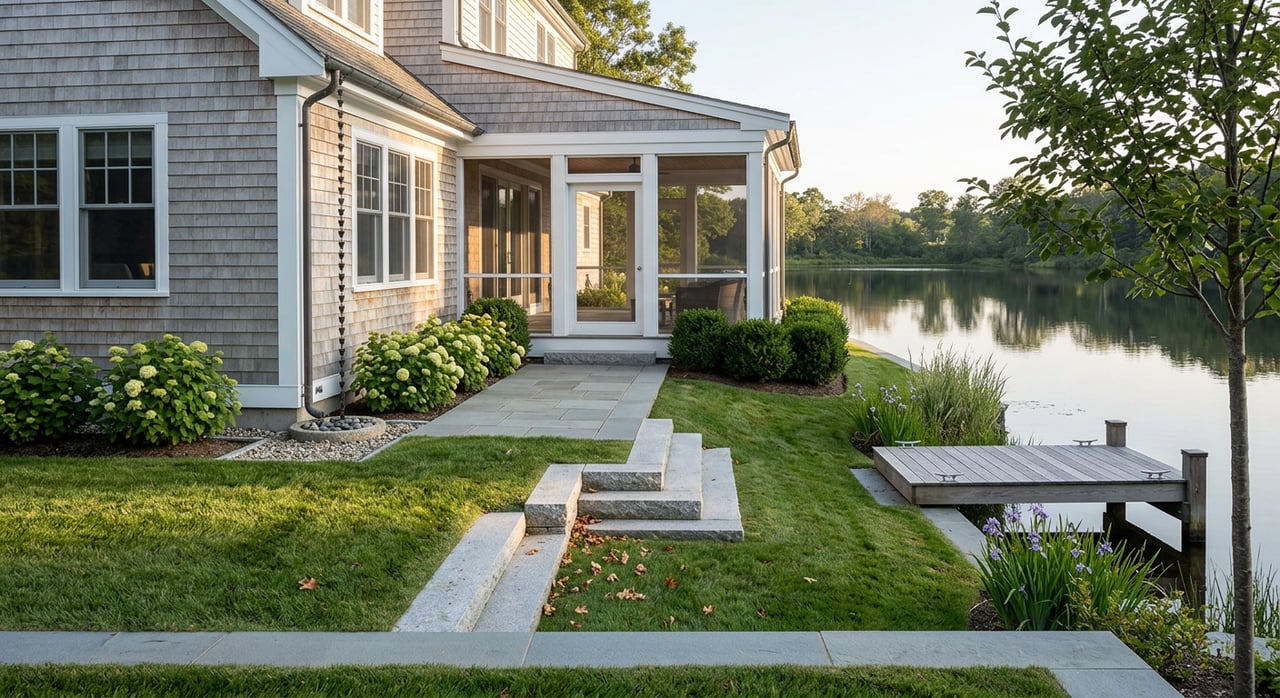
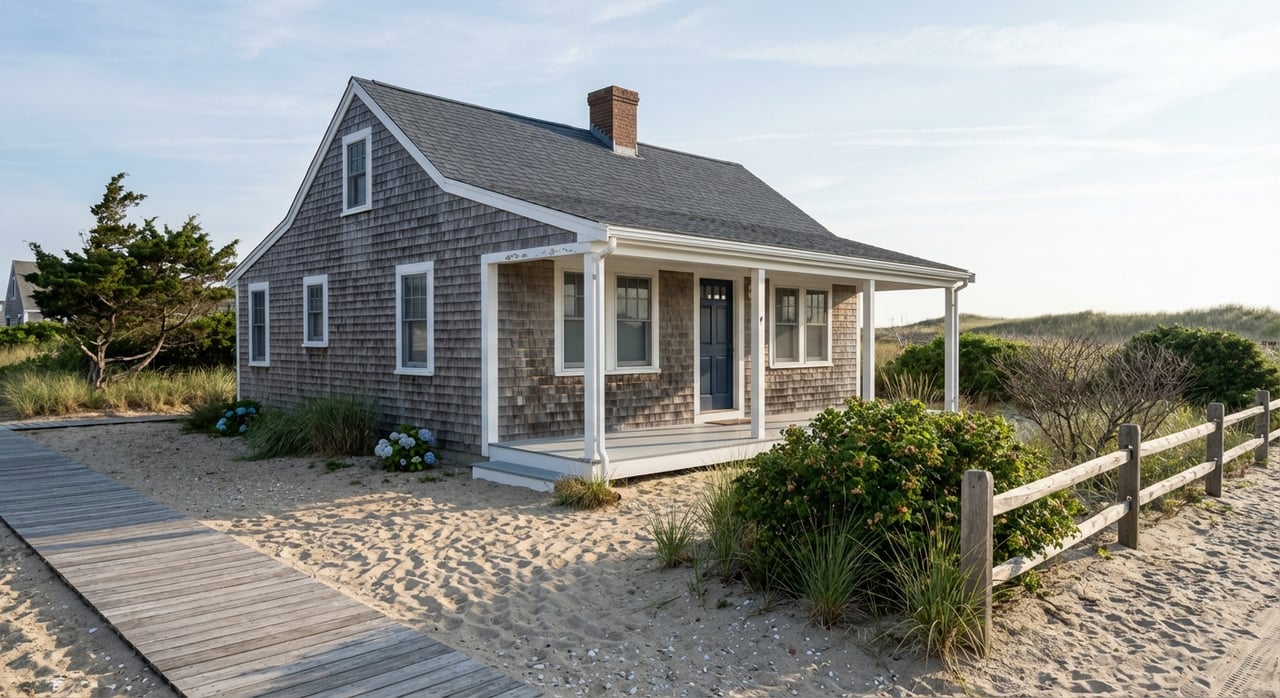
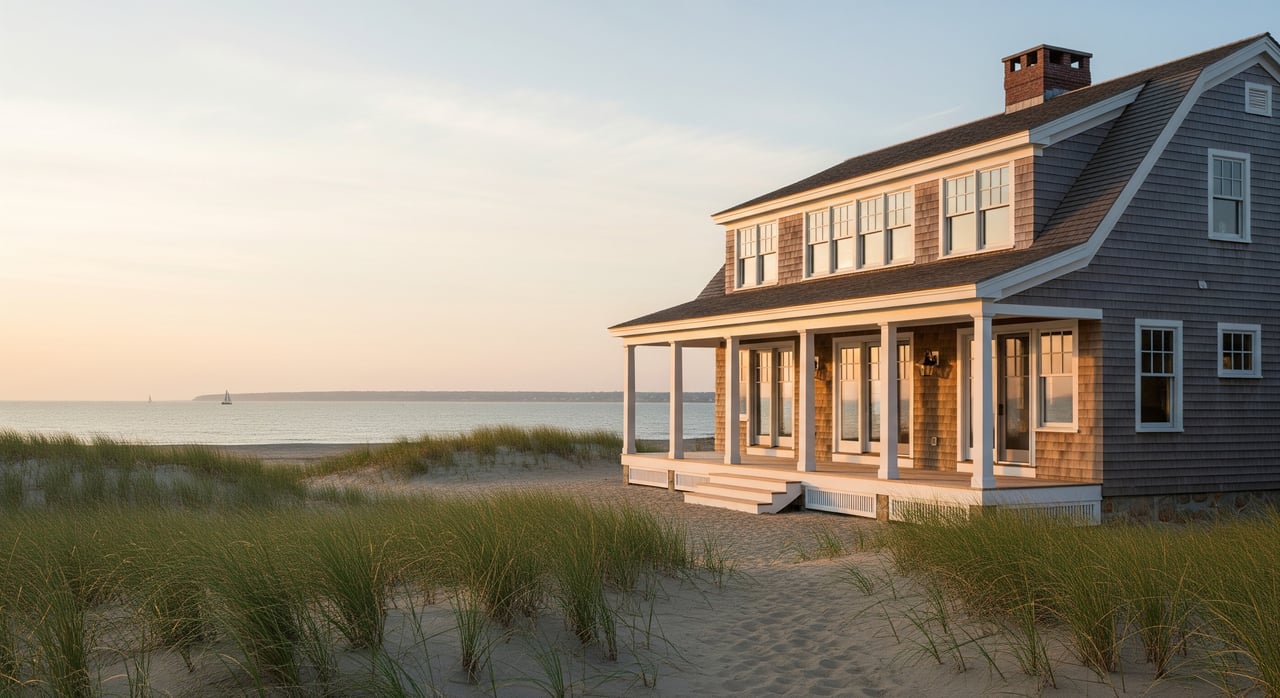
If you are drawn to shoreline character or larger lots, you will likely add 10 to 30 minutes to reach the station, especially in peak-season traffic. This trade-off can be worth it if lifestyle features are your priority. Just plan for an earlier departure in the morning and confirm a reliable return train that aligns with your typical end time.

Nearby towns and alternate stations

Some buyers find a better daily rhythm by using a different station in the same corridor or a nearby South Shore line. For example, parts of Pembroke, Hanover, Hanson, Whitman, Abington, or Plymouth can present different drive times and parking conditions. Compare morning drive time, parking reliability, and the exact train options before you choose a location.

Cost planning: fares and passes

Your monthly budget should reflect the fare zone and whether you will use a monthly pass. MBTA fares and zones change from time to time, so check current pricing before you finalize your numbers. Start here: MBTA Commuter Rail fares and passes.

  • If you work a hybrid schedule, compare the cost of single rides to a monthly pass.
  • If you bike or walk to the station, factor in savings from skipping parking.
  • Build in a buffer for occasional rideshare or parking at an alternate station when needed.

Try before you buy: test the full commute

Nothing beats a live test on a weekday. It tells you if your morning plan is realistic and whether you like the rhythm of the trains you will actually use.

  • Do a practice run at your intended departure time, including your drive, parking, platform wait, and the train ride into South Station.
  • Repeat the test in the evening to gauge return timing and platform crowding.
  • If the lot fills early, try an earlier arrival or test an alternate station on the same line.
  • Check real-time service notices on the day of your test using MBTA Commuter Rail alerts.

Buyer checklist for Kingston commuters

Use this quick list when touring homes and comparing neighborhoods.

  • Schedule alignment
    • Identify the exact trains that arrive in Boston before your start time and depart after you finish.
    • Confirm weekday versus weekend options if your hours vary.
  • Parking plan
    • Verify whether Kingston requires a permit, the current daily cost, and any waitlist.
    • Ask the town or MBTA about upcoming changes to parking capacity or policies.
  • Backup options
    • Note a second station you can use if parking is limited.
    • Consider a plan for occasional driving or rideshare if a train is canceled.
  • Walkability and safety
    • If you plan to walk or bike, inspect sidewalks, crossings, lighting, and winter maintenance.
  • Project planning and construction
    • Check for MBTA improvement projects that could affect schedules or parking. Review notices before making an offer.
  • Route 3 considerations
    • If you expect to drive part of the way or use a park-and-ride, consult MassDOT’s resources for South Shore routes and park-and-ride lots: MassDOT park-and-ride listings.

How to compare two homes using commute math

You can quickly quantify the trade-off between a near-station home and a coastal option using your real schedule.

  1. Map the morning drive. Use live routing at your intended departure time and note how long it takes to reach Kingston station for each property.
  2. Add the scheduled train time that gets you to South Station before your start time. Use the MBTA Commuter Rail schedules page.
  3. Add the last leg from South Station to your office. Walking time or a short transit hop can change totals by several minutes.
  4. Repeat for your evening return. Make sure there is a return train that consistently fits your work end time.
  5. Weigh the total time against housing value. If the coastal home adds 20 minutes each way, that is more than 3 hours a week. Decide if the lifestyle benefit offsets that time.

What matters most for buyers

The two most important factors are simple. First, your trains must line up with your work start and end times. Second, your parking plan has to be dependable. Living closer to the station reduces uncertainty, while coastal living adds lifestyle benefits along with extra drive time.

If you want a smooth, confident search, local insight helps. Our team studies Kingston’s commuter patterns, parking realities, and neighborhood-by-neighborhood nuances so you can buy with clarity.

Ready to find a home that fits your commute and your lifestyle? Connect with Kristin Dewey for a commuter-savvy search on the South Shore. If you are also preparing to sell, ask about our Kornerstone Koncierge to manage and finance pre-market improvements. Schedule a complimentary Koncierge consultation.

FAQs

How long is the Kingston to Boston commute on the MBTA?

  • Most buyers experience 50 to 75 minutes door-to-door, depending on drive time to the station, the specific train, and the last leg in Boston; confirm using the MBTA Commuter Rail schedules page and do a live test.

Does Kingston station parking fill up on weekdays?

Which Boston terminal does the Kingston line use?

  • Trains on the Plymouth/Kingston line serve Boston’s South Station; always confirm your specific train and timetable on the MBTA Commuter Rail schedules page.

Are weekend and late-night trains frequent from Kingston?

Where can I find current fares for Kingston?

Work With Kristin

Let us learn more about how I can help. My goal is to be your Real Estate Consultant for Life!