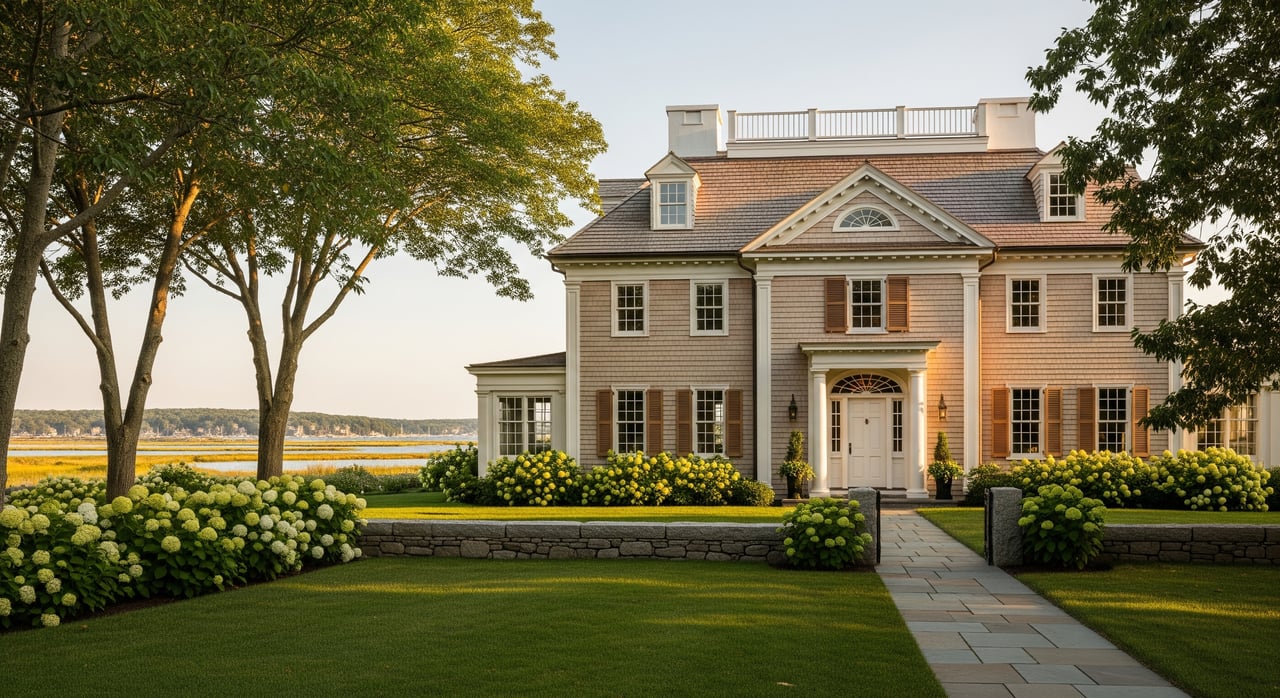
Duxbury Historic Homes: What Buyers Should Know
December 18, 2025
December 18, 2025
Love the idea of owning a piece of Duxbury history, but unsure what comes with it? You are not alone. Older homes offer warmth, character, and craftsmanship you cannot replicate, yet they also demand smart due diligence and a plan. In this guide, you will learn how to spot Duxbury’s architectural eras, what to inspect, which rules and permits matter most, and how to budget for renovations and upkeep. Let’s dive in.
Duxbury’s roots stretch back to early New England settlement, so you will find homes from the 1600s through early 20th-century styles. Many properties feature wood-frame construction with clapboard or cedar shingles, wide-plank floors, and original sash. The coastal setting adds charm and also extra wear from salt air and storms. If you want a home with story and soul in Plymouth County’s coastal corridor, Duxbury delivers.
Look for heavy timber frames, large central chimneys, steep roof pitches, and exposed beams. Interiors often have wide-plank pine floors and plaster over lath. Windows may be smaller or irregular, sometimes enlarged later. Expect potential timber-frame repairs, stone foundations, and historically significant materials that you might choose to preserve.
You will see symmetrical facades, center-hall plans, and double-hung sash with small panes. Decorative cornices and elegant door surrounds are common. Check the condition of original woodwork and aging sash or glazing. Some homes received later Greek Revival updates that changed trim or window proportions.
Gable-fronts, pilasters, taller windows, and simple classical motifs mark this period. Exterior trim and original clapboards or shingles may survive. Preservation of these exterior details is a priority for many buyers.
Italianate, Second Empire, and Queen Anne styles bring asymmetry, brackets, bay windows, mansard roofs, patterned shingles, and porches. Complex rooflines and decorative millwork are beautiful and also maintenance intensive. Porches, balustrades, and trim often require repair due to exposure.
Simplified colonial motifs, classical columns, and multi-pane windows are typical. You may also see Craftsman or Bungalow influences. Many of these homes have had mechanical updates, but original finishes and details often remain.
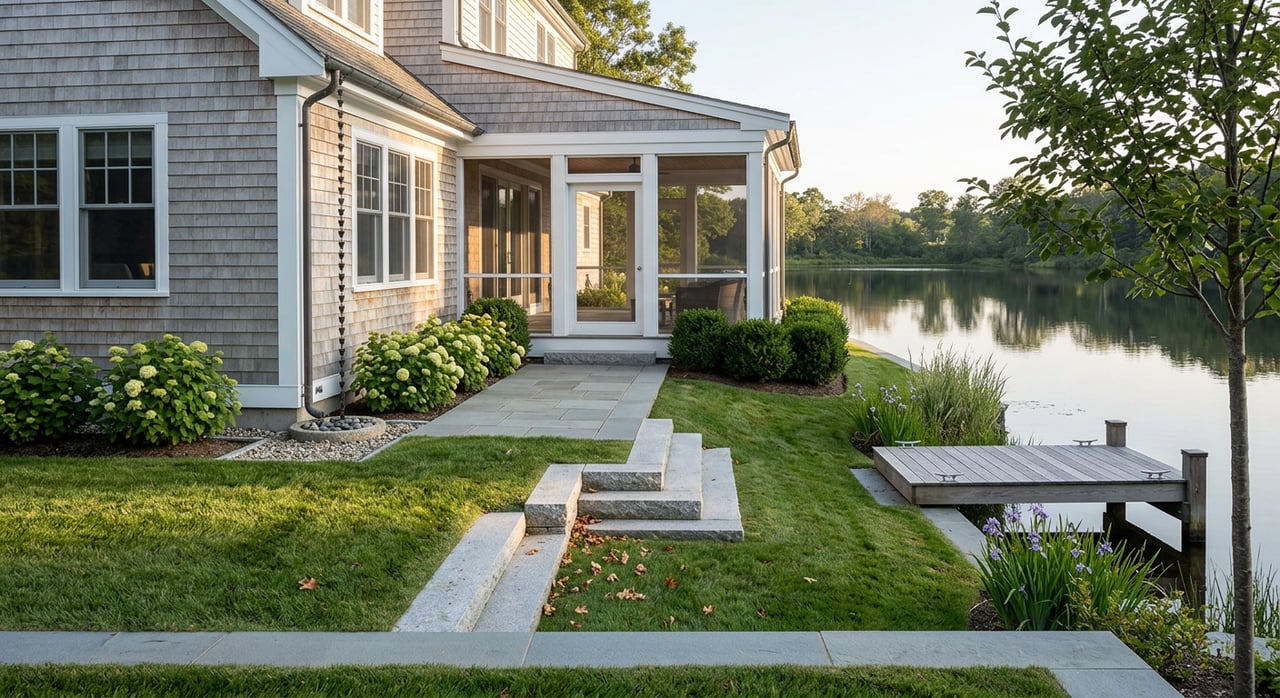
Wood-frame construction with clapboard or cedar shingles is standard in Duxbury. Original single-pane sash and early glass are frequent, with later storm windows added for comfort. Salt air can accelerate paint failure and corrosion of exterior hardware and fasteners, so plan on vigilant exterior maintenance.
Fieldstone, granite, or rubble foundations are common. Watch for mortar deterioration, water penetration, and differential settlement. Sloping floors, plaster cracks, and sticky or misaligned doors are signs to investigate.
Historic roofs may be wood-shingle, slate, or early asphalt. Chimneys are masonry and can suffer mortar loss or flue deterioration. Coastal storms amplify wear, so pay close attention to flashing and roof water management.
New England humidity cycles drive wood rot at sills, porches, and eaves. While termites are less common than farther south, carpenter ants and moisture-related decay do occur. A moisture control strategy is essential for long-term preservation.
Original single-pane sash can be drafty. Many owners add storms to balance comfort and preservation. Weigh the costs and benefits of repairing original sash versus selective replacement, especially where historic character is a priority.
Expect older systems: knob-and-tube wiring, outdated fuse panels, smaller electrical service, galvanized or cast-iron plumbing, and older boilers or oil tanks. Lead paint is likely in pre-1978 homes, and asbestos can exist in pipe insulation, flooring, or ceiling materials. Consider lead, asbestos, radon, and mold testing, especially if you see signs of past moisture.
Many Duxbury properties use private septic systems. Massachusetts requires a Title 5 inspection for properties on septic at the time of sale, and results can influence the closing timeline and budget. Older systems may need upgrade or replacement to meet standards.
Low-lying coastal areas can face tidal flooding and storm surge, which also affects insurance costs. Review FEMA flood maps, check local floodplain rules, and plan for the effects of salt air on metal components.
Layer your inspections so you see the full picture before you commit:
Understanding the regulatory landscape helps you plan renovations and avoid surprises.
Exterior materials and methods may be limited in local historic districts, which can extend timelines and increase costs. You may need a Certificate of Appropriateness or similar approval for changes that impact visible historic character. Build these steps into your schedule and budget.
If a property sits in a low-lying or waterfront area, confirm flood zone, base elevation, and any past claims. Flood insurance may be required by lenders in designated zones, and premiums vary by risk. Salt spray and storm exposure accelerate wear on roofs, flashing, fasteners, and exterior metal. A proactive maintenance plan will protect your investment over time.
Choose an approach that balances character with comfort:
Sequence work to reduce risk and rework:
For energy upgrades with minimal impact, start with attic and basement insulation, air sealing, weatherstripping, and storm windows. Size high-efficiency HVAC carefully to avoid drying out historic materials. Focus on reversible improvements where possible.
Hire contractors with a track record on historic properties and ask for references and project examples. For major work or historic district applications, consider a preservation-minded architect or consultant. Obtain multiple estimates, confirm scopes, and plan a contingency of 10 to 25 percent for hidden conditions.
Financing options can bundle purchase and renovation:
Older materials and details can increase replacement cost estimates, and some insurers require system updates for coverage. If the property is in a high-risk flood zone, budget for flood insurance.
Use this quick list to organize your process:
If a historic Duxbury home is calling your name, you deserve a partner who understands both the charm and the checklist. With hands-on guidance across the South Shore, vendor coordination, and a calm, step-by-step approach, you can move forward with confidence. Reach out to Kristin Dewey to talk through your goals, timeline, and next steps.
Stay up to date on the latest trends in real estate.
March 24, 2026
March 5, 2026
February 19, 2026
February 5, 2026
January 15, 2026
January 1, 2026
December 18, 2025
December 4, 2025
November 21, 2025
Let us learn more about how I can help. My goal is to be your Real Estate Consultant for Life!